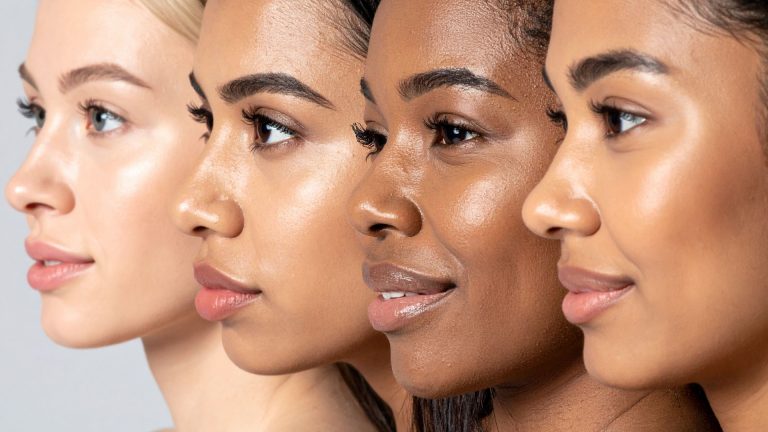

The Ultimate Skincare Routine for Beginners: Build Glowing Skin From Scratch
You’ve probably stood in a beauty aisle or scrolled through TikTok feeling completely lost. Serums, toners, essences, SPF, retinol, it’s a lot. And if you’re new to skincare, the whole thing can feel more overwhelming than exciting.
Here’s the truth: great skin doesn’t require a 12-step routine or an expensive moisturizer. What it does require is understanding your skin, using the right products in the right order, and staying consistent. That’s it.
This guide breaks down everything you need to know about building a beginner skincare routine, one that actually works. Whether you’re dealing with acne, dryness, oiliness, or just want a healthy glow, this is your starting point.
Why a Skincare Routine Actually Matters
Your skin is the largest organ in your body, and it works hard every single day protecting you from pollution, UV rays, bacteria, and environmental stress. Without a little help, it can start to show the wear and tear.
A consistent skincare routine helps your skin stay hydrated, balanced, and protected. Over time, it can reduce breakouts, minimize the appearance of pores, even out skin tone, and slow down signs of aging. Think of it less like a beauty ritual and more like brushing your teeth, it’s daily maintenance that pays off in the long run.
The biggest mistake most beginners make? Doing too much, too soon. Piling on five new products at once makes it impossible to know what’s working (and what’s causing that mystery breakout). Start simple, stay consistent, and build from there.
Step 1: Know Your Skin Type Before You Buy Anything
Before you spend a single rupee on skincare, you need to know your skin type. Using the wrong products, even expensive ones, can make your skin worse, not better.
The Most Common Skin Types
Oily skin tends to look shiny by midday, especially in the T-zone (forehead, nose, and chin). Pores appear larger, and breakouts are more common. If you blot your face with a tissue a few hours after washing and it looks like an oil painting, you likely have oily skin.
Dry skin often feels tight, rough, or flaky, especially after cleansing. It may look dull and is more prone to fine lines and irritation. Cold weather and low humidity make it worse.
Combination skin is the most common type. You’re oily in some areas (usually the T-zone) and normal or dry in others (like your cheeks). This skin type needs a bit of balance.
Sensitive skin reacts easily and redness, stinging, breakouts, or itching after using certain products are all red flags. Fragrance and harsh chemicals are usually the culprits.
A Quick DIY Test
Wash your face with a gentle cleanser, pat it dry, and leave it bare for 60 minutes. No moisturizer, no products. After an hour, look in the mirror. Tight and flaky? Dry. Shiny all over? Oily. Shiny in the middle but dry on the sides? Combination. No discomfort and no excess oil? Normal. You’ve just diagnosed your skin — no dermatologist needed.
Step 2: The Basic Skincare Routine Every Beginner Needs
You don’t need a 10-step routine. You need three. Morning and night, every day, no excuses. Here’s the core of every effective skincare routine:
Step 1: Cleanser (Twice Daily)
Cleansing removes dirt, oil, makeup, and pollution from your skin. It’s the foundation of everything else. Skip this and nothing else you apply will work properly.
For oily or acne-prone skin, look for a gel or foam cleanser with salicylic acid. It clears out pores and keeps excess oil in check. For dry or sensitive skin, a creamy or hydrating cleanser — something that doesn’t strip your skin is a much better choice. Look for keywords like “gentle,” “hydrating,” or “milky” on the label.
A real-life tip: don’t use hot water. Lukewarm water is gentler on your skin barrier and won’t leave your face feeling tight and dry.
Step 2: Moisturizer (Twice Daily)
Even oily skin needs moisture. When skin gets dehydrated, it overproduces oil to compensate, which actually makes breakouts worse. Moisturizer keeps the skin barrier healthy and your complexion balanced.
For oily skin, a lightweight, oil-free gel moisturizer is ideal. For dry skin, go richer, look for ingredients like hyaluronic acid, ceramides, or shea butter. These help lock in hydration and repair the skin barrier over time.
Apply moisturizer while your skin is still slightly damp after cleansing. This helps seal in hydration more effectively.
Step 3: Sunscreen (Morning Only)
If you only add one product to your routine, make it SPF. Sun damage is the number one cause of premature aging, dark spots, and uneven skin tone. It also worsens acne scars and makes them stick around much longer.
Use a broad-spectrum SPF 30 or higher every single morning, even on cloudy days, even if you’re indoors most of the day. UV rays pass through windows, and they don’t take days off.
If you hate the greasy feeling of sunscreen, you haven’t found your formula yet. There are lightweight, invisible, matte-finish sunscreens now that disappear into skin beautifully. Keep trying until you find one you actually enjoy wearing.
Step 3: When to Add Serums and Treatments
Once you’ve mastered the basics and your skin is happy and stable (give it at least 4-6 weeks), you can start adding targeted treatments into your routine. This is where skincare gets interesting.
Vitamin C Serum for Glowing Skin
Vitamin C is one of the most researched ingredients in skincare. It brightens dark spots, evens out skin tone, boosts collagen production, and gives skin that lit-from-within glow. Apply it in the morning after cleansing and before moisturizer.
One thing to know: vitamin C is unstable and can oxidize. Store it in a dark, cool spot and replace it when it starts turning orange or dark yellow.
Retinol for Anti-Aging and Acne
Retinol (a form of vitamin A) is the gold standard for both anti-aging and acne. It speeds up skin cell turnover, unclogs pores, reduces fine lines, and fades hyperpigmentation over time.
The catch? It can be irritating, especially at first. Start with a low concentration (0.025% or 0.05%) two or three nights a week. Build up slowly. Always use it at night, and never skip SPF the next morning, retinol makes skin more sun-sensitive.
Hyaluronic Acid for Deep Hydration
If your skin feels dehydrated no matter how much moisturizer you slap on, hyaluronic acid might be the missing link. It’s a humectant, meaning it draws moisture from the environment into your skin and holds it there.
Apply it to damp skin before your moisturizer for best results. It works for every skin type and has almost no risk of irritation, making it a great entry-level serum.
Common Beginner Skincare Mistakes (And How to Fix Them)
Skipping Sunscreen on “Cloudy” Days
Up to 80% of UV rays penetrate clouds. Skipping SPF because it looks overcast is one of the fastest ways to undo all your skincare progress.
Over-Exfoliating
Exfoliation removes dead skin cells and brightens your complexion, but more is definitely not better. Scrubbing your face every day or using multiple acid products at once damages the skin barrier and causes redness, breakouts, and sensitivity. Once or twice a week is enough for most skin types.
Not Patch Testing New Products
Always test a new product on a small area, like behind your ear or on your inner wrist, for 24-48 hours before applying it to your whole face. This can save you from a full-face reaction to an ingredient you’re sensitive to.
Expecting Overnight Results
Skin cells renew roughly every 28 days. Most skincare products need at least 4-8 weeks of consistent use before you see real results. Be patient. Take progress photos. Trust the process.
Building Your Routine on a Budget
Great skincare doesn’t have to be expensive. Some of the most effective drugstore products rival their luxury counterparts.
For cleansers, brands like CeraVe, Cetaphil, and Minimalist offer excellent formulas at wallet-friendly prices. CeraVe’s Hydrating Cleanser, for example, is beloved by dermatologists worldwide and costs a fraction of high-end alternatives.
For SPF, look for mineral or hybrid sunscreens from brands like Neutrogena, Minimalist, or Re’equil. They’re effective, affordable, and come in formulas that work beautifully under makeup.
The secret? Research ingredients, not brand names. A moisturizer with ceramides from a drugstore brand is just as effective, sometimes more so, than a luxury cream with the same ingredient.
Your Simple Starter Routine at a Glance
Here’s a no-fuss routine to get you started today:
Morning: Gentle cleanser → Moisturizer → SPF 30+
Evening: Gentle cleanser → Moisturizer (add retinol 2–3x/week once your skin adjusts)
That’s genuinely all you need to start seeing a difference. Once your skin is balanced and thriving, layer in that vitamin C serum or hyaluronic acid for extra glow.
Consistency Is Your Best Beauty Product
Here’s the thing about skincare: the best routine is the one you’ll actually stick to. A simple, consistent routine will always outperform an elaborate one you abandon after two weeks.
Start with the three core steps: cleanse, moisturize, protect. Use products formulated for your skin type. Give each product time to work. And above all, don’t let perfection be the enemy of good.
Your skin will thank you for it, probably around week six, when you catch yourself smiling in the mirror.
Ready to start your skincare journey? Pick one gentle cleanser, one moisturizer, and one SPF this week and commit to using them every day for a month. That’s all it takes to begin. Your glow-up starts now.
Have questions about your skin type or which ingredients to look for? Drop them in the comments, let’s figure it out together.