The Rise of Sustainable Fashion for Women: A Smart and Stylish Future
Women’s fashion is changing in meaningful ways. One of the biggest trends today is sustainable fashion. This movement focuses on clothing that is environmentally friendly, ethically made, and built to last. More women are choosing quality over quantity and supporting brands that care about the planet.
Sustainable fashion is no longer a small niche. It has become a powerful shift in the fashion industry. Women are looking for clothes that match their values while still offering style, comfort, and elegance.
What Is Sustainable Fashion?
Sustainable fashion refers to clothing that is designed and produced with minimal environmental impact and fair labor practices. It focuses on reducing waste, conserving resources, and protecting workers.
Key elements include:
- Eco-friendly fabrics such as organic cotton, linen, hemp, and recycled materials
- Ethical production and fair wages
- Reduced water and chemical use
- Long-lasting designs instead of short-term trends
Unlike fast fashion, which encourages frequent buying and disposal, sustainable fashion promotes mindful shopping and durability.
Why It Is Trending
Several reasons explain why sustainable fashion is growing in popularity among women.
Greater Environmental Awareness
Many consumers now understand how harmful the fashion industry can be to the environment. Textile waste, pollution, and excessive water usage are serious concerns. Women are responding by making smarter choices.
Focus on Quality
Fast fashion items often lose their shape or color quickly. Sustainable garments are made with stronger materials and better craftsmanship, which means they last longer.
Transparency and Ethics
Modern shoppers want to know where their clothes come from. Brands that openly share their production processes and labor standards earn more trust.
Rise of Thrift and Vintage Shopping
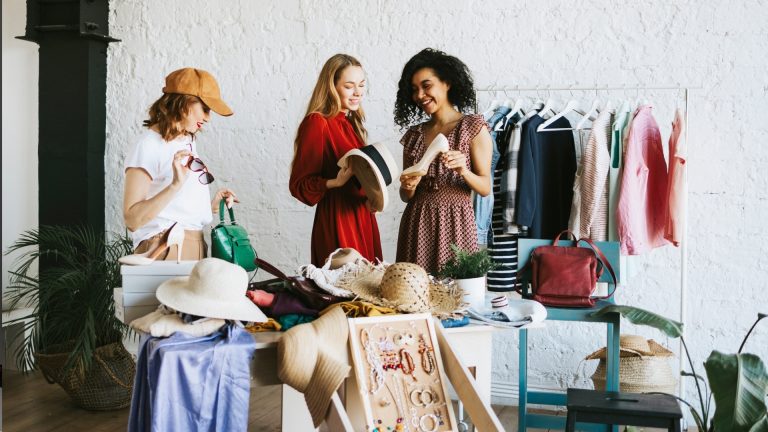
Secondhand shopping has become fashionable. Buying pre-owned clothing reduces waste and gives garments a longer life. It is also an affordable way to build a unique wardrobe.
Popular Sustainable Fashion Trends
Sustainable fashion offers many stylish options.
Natural and Organic Fabrics
Organic cotton, bamboo, hemp, and Tencel are popular because they are breathable and require fewer chemicals during production.
Capsule Wardrobes
A capsule wardrobe includes a small collection of versatile pieces that mix and match easily. Examples include:
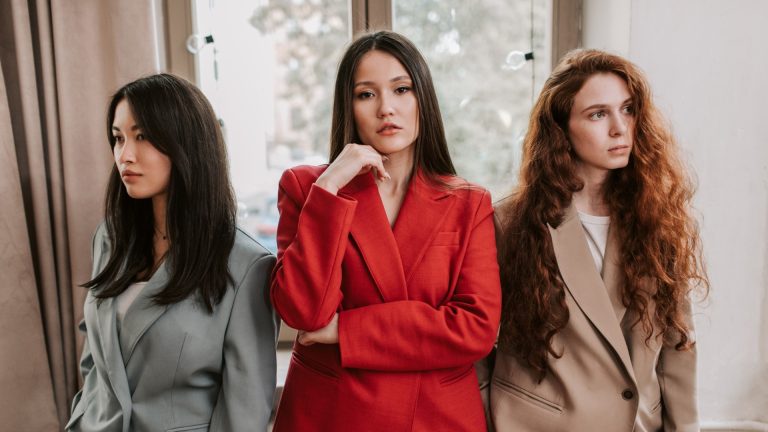
- A classic blazer
- Well-fitted jeans
- Neutral tops
- A simple dress
This approach reduces unnecessary purchases while keeping outfits stylish.
Timeless Designs
Instead of following short-lived trends, sustainable fashion focuses on classic cuts and neutral colors that stay fashionable for years.
Upcycled Clothing
Some designers create new garments from leftover fabrics or old clothes. This reduces waste and encourages creativity.
How to Build a Sustainable Wardrobe
Switching to sustainable fashion does not need to happen overnight. Start with small steps.
- Review what you already own and identify pieces you can restyle.
- Invest in high-quality basics made from sustainable materials.
- Research brands before purchasing. Look for ethical certifications.
- Buy secondhand when possible.
- Care for your clothes properly to extend their lifespan.
Washing in cold water and air drying can help garments last longer.
Benefits of Sustainable Fashion
Choosing sustainable fashion offers several advantages:
- Lower environmental impact
- Better quality clothing
- Support for ethical labor
- Long-term savings
- A more personal and thoughtful style
Sustainable fashion encourages women to value their clothing instead of treating it as disposable.
Frequently Asked Questions
1. Is sustainable fashion expensive?
It can cost more upfront, but the longer lifespan of the clothing makes it cost-effective over time.
2. How can I tell if a brand is sustainable?
Look for clear information about sourcing, materials, and labor practices on the brand’s website.
3. Does sustainable fashion limit style choices?
No. There are many modern and stylish options available.
4. Is thrifting considered sustainable?
Yes. Buying secondhand reduces waste and extends the life of garments.
5. How often should I buy new clothes?
Only when necessary. Focus on quality pieces that match your existing wardrobe.
6. Can luxury brands be sustainable?
Some luxury brands are adopting responsible practices, but research is still important.
Conclusion
Sustainable fashion is shaping the future of women’s fashion. It combines responsibility, quality, and timeless style. Women today are proving that looking good and making ethical choices can go hand in hand.
By choosing durable pieces, supporting responsible brands, and shopping thoughtfully, anyone can build a wardrobe that reflects both personal style and care for the planet.