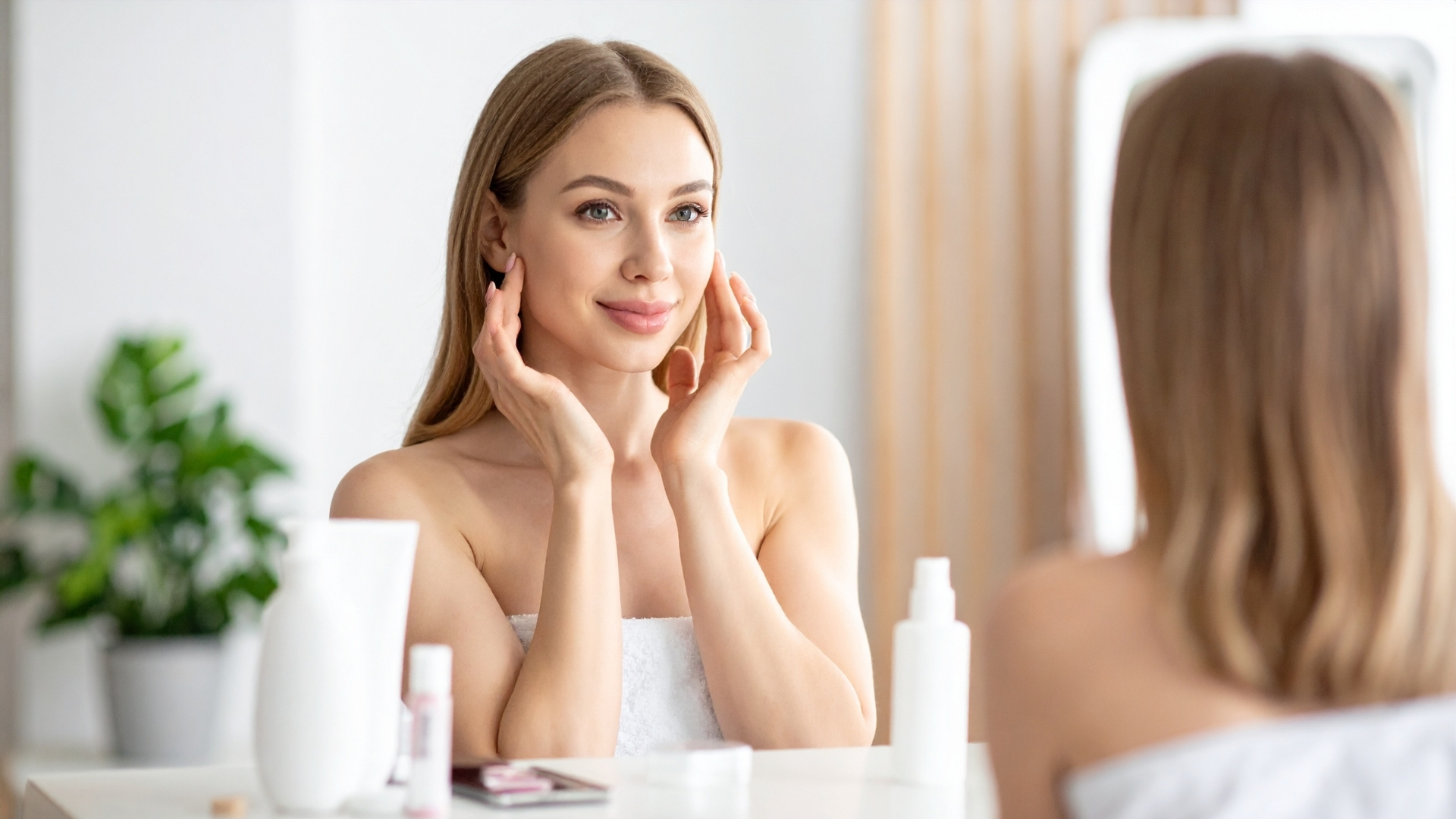
How to Get Glowing Skin Naturally at Home
Glowing skin is one of the most universally desired beauty goals, and yet it remains one of the most misunderstood. Many people assume that achieving a radiant, healthy complexion requires an expensive skincare routine, professional treatments, or a cabinet full of products with complicated ingredient lists. The truth is quite different. Some of the most effective ways to get glowing skin are completely natural, deeply simple, and entirely achievable from the comfort of your own home.
Glowing skin is not just about what you put on your face. It is a reflection of how well you nourish your body, how consistently you care for your skin, how much rest you get, and how mindfully you live your daily life. When all of these elements work together, the result is a complexion that radiates health from the inside out. This guide covers everything you need to know to get there naturally, step by step.
What Does Glowing Skin Actually Mean?
Before building a routine, it helps to understand what glowing skin truly is. Glowing skin refers to a complexion that appears healthy, hydrated, even-toned, and luminous. It is not about being perfectly poreless or blemish-free. It is about skin that looks alive, well-nourished, and genuinely healthy rather than dull, dry, or fatigued.
Dull skin, the opposite of glowing skin, is typically caused by a buildup of dead skin cells on the surface, dehydration, poor circulation, lack of sleep, an unbalanced diet, or a skincare routine that is not addressing the skin’s actual needs. When these issues are corrected, the skin’s natural radiance is able to come through, and that is what gives people the impression of a natural glow.
Understanding that glow is a reflection of skin health rather than a cosmetic trick is the most empowering place to begin.
Step 1: Cleanse Your Skin Properly
Every effective skincare routine begins with proper cleansing, and it is the foundation of glowing skin. Cleansing removes dirt, excess oil, pollution, and dead skin cells that accumulate on the skin’s surface throughout the day and overnight. When this buildup is not removed consistently, it blocks the skin’s ability to absorb the nourishment it needs and gives the complexion a dull, congested appearance.
Cleanse your face twice daily, once in the morning and once at night. Use a gentle, sulfate-free cleanser that removes impurities without stripping the skin of its natural moisture barrier. Harsh cleansers that leave the skin feeling tight or squeaky clean are actually doing more harm than good by disrupting the skin’s natural pH balance and triggering excess oil production.
Double cleansing in the evening is a particularly effective technique for glowing skin. Start with an oil-based cleanser or micellar water to dissolve makeup, sunscreen, and surface impurities, then follow with a gentle water-based cleanser to deep clean the pores. This two-step process ensures the skin is truly clean without being over-stripped, creating the ideal foundation for the rest of your routine.
Step 2: Exfoliate Regularly
Exfoliation is one of the most immediate and effective ways to reveal glowing skin because it physically or chemically removes the layer of dead skin cells that sits on the surface and makes the complexion look dull and uneven. When that layer is removed, the fresher, more radiant skin underneath is revealed, and the skin’s ability to absorb moisturizers and serums improves dramatically.
There are two main types of exfoliation: physical and chemical. Physical exfoliation involves using a gentle scrub or exfoliating tool to manually buff away dead skin cells. Chemical exfoliation uses acids like AHA (alpha hydroxy acids such as lactic acid and glycolic acid) or BHA (beta hydroxy acids like salicylic acid) to dissolve the bonds between dead skin cells and encourage natural cell turnover.
For most skin types, exfoliating two to three times per week is sufficient. Over-exfoliating can damage the skin barrier and lead to redness, sensitivity, and increased dullness, which is the opposite of the desired result. If you are new to exfoliation, start with once a week and gradually increase the frequency as your skin adjusts.
A simple and natural at-home exfoliant is a mixture of fine oatmeal and honey, which gently buffs the skin while simultaneously soothing and moisturizing it. This is a particularly good option for sensitive skin types that may react poorly to more aggressive exfoliants.
Step 3: Hydrate Your Skin From the Outside
Hydration is the cornerstone of glowing skin. Dehydrated skin appears flat, tired, and dull because the cells are lacking the water they need to plump up and reflect light effectively. Keeping the skin well-hydrated from the outside is essential for maintaining that luminous, healthy appearance.
After cleansing, apply a hydrating toner or essence to damp skin. These lightweight, water-based products penetrate deeply into the skin and provide an initial layer of hydration that prepares the skin to absorb subsequent products more effectively. Look for ingredients like hyaluronic acid, glycerin, aloe vera, and rose water, all of which are excellent natural hydrators.
Follow with a moisturizer suited to your skin type. Oily or combination skin benefits from a lightweight gel or gel-cream moisturizer that hydrates without adding excess oil. Dry skin benefits from a richer cream that contains nourishing ingredients like shea butter, ceramides, or squalane. Normal skin generally does well with a balanced medium-weight moisturizer.
Apply your moisturizer while your skin is still slightly damp from your toner or essence to lock in hydration more effectively. This simple habit makes a noticeable difference in how plump and luminous the skin appears throughout the day.
Step 4: Hydrate Your Skin From the Inside
No topical product, regardless of how effective it is, can compensate for inadequate internal hydration. Drinking enough water is one of the simplest and most overlooked steps toward naturally glowing skin. When the body is well-hydrated, the skin appears fuller, more elastic, and more radiant. When it is dehydrated, the skin looks dull, sunken, and dry regardless of what you apply to it.
Aim to drink at least eight glasses of water per day as a starting point, adjusting upward based on your activity level, climate, and individual needs. If you find plain water difficult to consume in sufficient quantities, infuse it with slices of cucumber, lemon, mint, or berries to make it more appealing and to add a gentle dose of skin-benefiting antioxidants at the same time.
Herbal teas, particularly green tea and chamomile, are also excellent sources of hydration that come with the added benefit of powerful antioxidants. Green tea in particular is rich in polyphenols that protect the skin from oxidative stress and support a clear, even complexion when consumed regularly.
Step 5: Use Natural Ingredients for a Natural Glow
Nature provides an abundance of ingredients that have been used for centuries to nourish, brighten, and revitalize the skin. Many of these ingredients are likely already in your kitchen or can be found easily and inexpensively at a local grocery store, making them accessible and practical additions to a natural skincare routine.
Honey is one of the most versatile and effective natural skincare ingredients available. It is naturally antibacterial, deeply moisturizing, and rich in antioxidants. Applied as a face mask for fifteen to twenty minutes, raw honey draws moisture into the skin, soothes inflammation, and leaves the complexion noticeably softer and more luminous. It is particularly beneficial for dry and sensitive skin types.
Turmeric is a powerful natural brightening ingredient that has been used in South Asian skincare traditions for generations. A simple face mask made from half a teaspoon of turmeric mixed with a tablespoon of plain yogurt and a teaspoon of honey applied to the face for ten to fifteen minutes can visibly brighten the complexion and reduce the appearance of dark spots with regular use. Be aware that turmeric can temporarily stain the skin yellow, so rinse thoroughly and follow with your usual moisturizer.
Aloe vera is perhaps the most universally soothing and hydrating natural ingredient available. The fresh gel from an aloe vera leaf applied directly to the face and left for twenty minutes before rinsing provides intense hydration, reduces redness, and leaves the skin feeling cool, soft, and refreshed. It is particularly beneficial for sensitive, inflamed, or sun-exposed skin.
Rosehip oil is a natural plant-based oil rich in vitamin C and essential fatty acids that brightens the skin, fades hyperpigmentation, and improves skin texture with consistent use. A few drops applied as the final step of your evening skincare routine can make a significant difference to the overall luminosity of your complexion over time.
Step 6: Always Wear Sunscreen
Sunscreen is not just a summer accessory. It is the single most important anti-aging and skin-protecting product you can use, and it is absolutely essential for maintaining a glowing, even-toned complexion year-round. UV radiation from the sun is the leading cause of premature aging, hyperpigmentation, uneven skin tone, and dullness, all of which directly undermine the appearance of glowing skin.
Apply a broad-spectrum sunscreen with at least SPF 30 every single morning, even on cloudy days and even when you plan to spend most of your time indoors. UV rays penetrate clouds and windows, meaning unprotected skin is being damaged even in seemingly low-risk conditions.
If you prefer a natural or mineral sunscreen option, look for formulas containing zinc oxide or titanium dioxide as the active ingredients. These mineral-based sunscreens sit on top of the skin and physically deflect UV rays rather than absorbing them chemically, making them a gentler option for sensitive skin types and a more natural choice for those looking to minimize synthetic chemical exposure.
Consistent daily sunscreen use is one of the most powerful things you can do for your skin in the long term. People who protect their skin from the sun consistently tend to have dramatically more even, luminous, and youthful-looking skin as they age compared to those who do not.
Step 7: Nourish Your Skin Through Your Diet
The food you eat has a profound and direct impact on the health and appearance of your skin. A diet rich in nutrients, antioxidants, and healthy fats nourishes the skin from the inside out, supporting cell regeneration, collagen production, and the skin’s natural ability to repair and protect itself.
Vitamin C is one of the most important nutrients for glowing skin because it is essential for collagen synthesis and is a powerful antioxidant that protects the skin from environmental damage. Foods rich in vitamin C include oranges, kiwi, strawberries, bell peppers, broccoli, and papaya. Incorporating these into your daily diet consistently supports a brighter, more even complexion over time.
Omega-3 fatty acids, found in fatty fish like salmon and mackerel, walnuts, flaxseeds, and chia seeds, are essential for maintaining the skin’s lipid barrier, which keeps moisture locked in and irritants locked out. A diet deficient in healthy fats tends to produce dry, flaky, dull skin, while one rich in omega-3s supports a plump, hydrated, and luminous complexion.
Antioxidant-rich foods like berries, leafy greens, nuts, seeds, and dark chocolate protect the skin from oxidative stress caused by free radicals, which are responsible for premature aging and uneven skin tone. The more colorful and varied your diet, the more comprehensively you are feeding your skin the nutrients it needs to glow.
Reduce your intake of refined sugar and highly processed foods, which trigger inflammation in the body and have been linked to breakouts, accelerated aging, and a generally dull, uneven complexion. Replacing processed snacks with whole, nutrient-dense alternatives is one of the most impactful dietary changes you can make for your skin.
Step 8: Prioritize Sleep for Skin Regeneration
Sleep is not called beauty sleep without reason. During deep sleep, the body enters a state of intense cellular repair and regeneration. The skin produces new collagen, repairs damage caused by UV exposure and environmental stressors, and restores its moisture levels. When sleep is consistently insufficient or poor in quality, all of these processes are disrupted, and the results show clearly on the skin.
Chronic sleep deprivation leads to a dull, sallow complexion, increased puffiness around the eyes, more visible fine lines, and a compromised skin barrier that is less able to retain moisture and defend against environmental damage. In contrast, people who consistently get seven to nine hours of quality sleep tend to have noticeably more radiant, healthy-looking skin.
Establish a consistent sleep schedule and create a bedtime routine that signals to your body that it is time to wind down. Reducing screen time in the hour before bed, keeping your bedroom cool and dark, and applying a nourishing overnight face oil or sleeping mask before bed are all habits that support both sleep quality and skin regeneration simultaneously.
Sleeping on a silk or satin pillowcase is a simple and genuinely effective way to protect the skin overnight. Unlike cotton, silk does not absorb moisture from the skin or create friction that contributes to sleep lines and irritation, making it a worthwhile investment for anyone serious about their skin health.
Step 9: Manage Stress for Clearer, Brighter Skin
The connection between stress and skin health is direct, scientifically documented, and often underestimated. When the body is under stress, it releases cortisol, a hormone that triggers inflammation, increases oil production, breaks down collagen, and weakens the skin’s natural barrier. The result is skin that is more prone to breakouts, redness, dullness, and accelerated aging.
Managing stress effectively is therefore a genuinely meaningful step in achieving and maintaining glowing skin. Regular physical exercise is one of the most powerful stress management tools available, and it has the added benefit of increasing circulation, which delivers oxygen and nutrients to the skin cells and gives the complexion an immediate and lasting glow.
Mindfulness practices like meditation, deep breathing, and yoga have been shown to reduce cortisol levels meaningfully with regular practice. Even ten to fifteen minutes of quiet, intentional breathing daily can make a noticeable difference to both stress levels and skin clarity over time.
Spending time outdoors in natural light and fresh air, nurturing meaningful relationships, pursuing creative hobbies, and simply allowing yourself adequate rest and downtime are all lifestyle habits that reduce the chronic stress load on the body and reflect positively in the health and appearance of your skin.
Step 10: Build a Consistent Skincare Routine
All of the steps above work most powerfully when they are practiced consistently over time. Skincare is not a quick fix. It is a long-term investment in the health of your largest organ, and consistency is the most important variable in the equation. A simple routine practiced every single day will always outperform an elaborate routine practiced sporadically.
A basic natural skincare routine for glowing skin looks like this: cleanse in the morning and evening, apply a hydrating toner or facial mist, follow with a lightweight serum containing brightening or hydrating ingredients, moisturize, and apply sunscreen every morning. In the evening, add an occasional exfoliation step two to three times per week and finish with a nourishing oil or sleeping mask.
Keep your routine simple enough to maintain without effort. The best skincare routine is the one you will actually do every day, not the most complicated or expensive one. Start with five to six products, understand what each one does, and give each new addition at least four to six weeks to show results before making changes.
Track your skin’s response over time. Notice which habits and products seem to improve your complexion and which do not serve it well. Your skin is unique, and building the routine that works best for you is a personal process of observation and adjustment that no generic guide can fully prescribe.
Simple At-Home Face Masks for Instant Glow
Sometimes your skin needs an immediate boost, and a simple at-home face mask is one of the most effective ways to deliver one. These recipes use natural ingredients that are gentle, effective, and inexpensive.
A honey and lemon mask is a classic brightening treatment. Mix one tablespoon of raw honey with half a teaspoon of fresh lemon juice, apply to clean skin, and leave for ten to fifteen minutes before rinsing with warm water. The honey moisturizes and soothes while the vitamin C in the lemon gently brightens. If you have sensitive skin, skip the lemon and use honey alone.
A banana and coconut oil mask is a deeply nourishing treatment for dry or dull skin. Mash half a ripe banana with a teaspoon of coconut oil until smooth, apply to the face, and leave for fifteen minutes before rinsing. The banana provides potassium and vitamins while the coconut oil deeply moisturizes and softens the skin.
A yogurt and oatmeal mask is an excellent option for sensitive or irritated skin. Mix two tablespoons of plain yogurt with a tablespoon of finely ground oatmeal and apply to the face for fifteen minutes. The lactic acid in the yogurt gently exfoliates while the oatmeal soothes and calms, leaving the skin visibly brighter and smoother after a single use.
Glow Your Skin Naturally at Home
Getting glowing skin naturally at home is entirely achievable, and it does not require expensive products, professional treatments, or complicated routines. It requires consistency, patience, and a willingness to nourish your skin both from the outside with a thoughtful topical routine and from the inside through hydration, nutrition, sleep, and stress management.
The most beautiful and lasting glow comes not from a single product or treatment but from the cumulative effect of healthy daily habits practiced with care and consistency over time. Start with the basics, build your routine gradually, listen to what your skin is telling you, and trust the process.
Glowing skin is not a luxury reserved for a fortunate few. It is the natural result of a body and skin that are being genuinely well cared for, and that is something every woman has the power to achieve.