How to Find Your Personal Style (Step-by-Step Guide)
Introduction
Finding your personal style is one of the most rewarding journeys you can take. It goes far beyond simply picking clothes off a rack or following the latest fashion trends. Your personal style is a visual language, a way of communicating who you are to the world before you ever say a single word. Yet, for so many people, getting dressed every morning feels more like a chore than an act of self-expression. If you find yourself staring into a closet full of clothes and still feeling like you have “nothing to wear,” you are not alone, and this guide is written exactly for you.
In this step-by-step guide, you will learn how to identify what truly resonates with you, clear out the clutter that is holding you back, and build a wardrobe that feels authentic, intentional, and uniquely yours. Whether you are starting from scratch or simply refining what you already have, these steps will help you move from confusion to clarity and from feeling invisible to feeling confident every single day.
Understand What Personal Style Really Means
Before you can find your personal style, you need to understand what it actually is. Personal style is not about wearing expensive clothes or dressing according to a specific trend. It is the consistent set of choices you make about clothing, accessories, colors, and silhouettes that reflect your personality, values, and the way you want to be perceived by the world.
Your personal style evolves over time. It is shaped by your lifestyle, your culture, your experiences, and even the music you listen to or the places you love to visit. A person who works in a creative field might gravitate toward bold prints and artistic layering, while someone who values simplicity and function might lean toward minimalist cuts and neutral palettes. Neither approach is wrong. In fact, there is no wrong answer when it comes to personal style because it is entirely about you.
One of the most important things to understand early on is the difference between fashion and style. Fashion is what is trending at any given moment. Style is what you come back to again and again, regardless of what the runways are showing. When you find your personal style, you will stop chasing trends and start making intentional choices that feel right for your body, your life, and your identity.
Conduct a Wardrobe Audit
The second step is to take a long, honest look at everything you currently own. Pull every single item out of your wardrobe and lay it out where you can see it all at once. This process, often called a wardrobe audit or closet edit, is the foundation of finding your personal style because it forces you to confront what you actually wear versus what you think you will someday wear.
As you sort through your clothes, create three categories: keep, donate or sell, and maybe. Items in the “keep” pile should be things you genuinely love, wear regularly, and feel great in. The “donate or sell” pile is for pieces that no longer fit, feel uncomfortable, remind you of a version of yourself you have moved past, or simply do not make you happy when you put them on. The “maybe” pile is for items you are unsure about.
Once you have sorted everything, look closely at the items in your “keep” pile. These pieces reveal a great deal about your style instincts. Do they tend to share certain colors, silhouettes, or fabrics? Are they casual and relaxed, or more polished and structured? Do you notice patterns in what makes you feel most like yourself? The answers to these questions are your first real clues about where your personal style already lives.
Pay attention to what you reach for on days when you feel your most confident. Those are the items that are already aligned with your authentic style, and they should guide the rest of the process.
Gather Style Inspiration
Once you have a clearer sense of what you already love, it is time to actively seek out inspiration. Creating a visual mood board is one of the most effective tools for discovering and defining your personal style. You can do this digitally using platforms like Pinterest, Instagram, or a simple folder of saved images on your phone.
The key to this step is not to save images of outfits simply because they are expensive or because a celebrity is wearing them. Instead, save images that genuinely make you stop scrolling and think, “I wish I could dress like that.” Over time, as your collection grows, you will start to see patterns emerging. Maybe every image features earth tones and relaxed silhouettes, you keep pinning sleek monochromatic outfits with sharp tailoring, and maybe you are drawn to vintage-inspired pieces with a modern twist.
Look beyond fashion accounts and magazines as well. Style inspiration can come from films, books, art, nature, travel, and even interior design. The way a particular color palette makes you feel, or the mood of a photograph you love, can tell you something meaningful about your aesthetic preferences.
After you have collected a substantial amount of images, step back and analyze them as a whole. Write down the words that come to mind when you look at them together. These words, whether they are “effortless,” “bold,” “romantic,” “edgy,” or “refined,” become the building blocks of your personal style vocabulary and will guide every shopping decision you make going forward.
Define Your Style Identity With Keywords
Once you have gathered your inspiration and identified recurring themes, the next step is to put your style into words. Having a clear style identity with a few defining keywords makes it much easier to make intentional wardrobe decisions and avoid impulsive purchases that do not align with who you are.
Try to narrow your style down to three to five descriptive words. For example, your style might be “minimalist, warm, and timeless.” Or it might be “eclectic, colorful, and vintage.” Or perhaps “sporty, effortless, and modern.” There is no limit to the combinations, and your keywords do not need to fit neatly into any existing fashion category.
These keywords will serve as your filter going forward. Whenever you are considering adding a new piece to your wardrobe, ask yourself whether it aligns with your style keywords. If you have described your style as “relaxed and earthy” and you find yourself tempted by a bright neon blazer simply because it is on sale, your keywords will help you pause and ask whether it truly belongs in your wardrobe or whether it is just a momentary impulse.
Defining your style in words also helps you communicate your aesthetic to others, whether you are working with a personal shopper, shopping at a vintage store with a friend’s help, or simply explaining to someone why you love a particular outfit. It brings clarity and confidence to the process.
Learn Your Body Shape and What Flatters You
Understanding your body shape is not about following restrictive rules that dictate what you can or cannot wear. It is about understanding proportions and learning which silhouettes tend to make you feel most comfortable and confident. When you dress in a way that works with your natural proportions rather than against them, you tend to feel more put together and at ease.
There are several commonly recognized body shapes, including hourglass, pear, apple, rectangle, and inverted triangle. Each of these shapes has general guidelines about which cuts, hemlines, and styles tend to be most flattering, but these are starting points rather than hard rules. The most important measure of whether something flatters you is not whether it follows a set of fashion guidelines but whether you feel good wearing it.
Experiment with different silhouettes and pay attention to how they make you feel. Try a wrap dress if you have never worn one. Experiment with wide-leg trousers or a structured blazer. Try high-waisted styles or experiment with cropped tops. Some styles will immediately feel right, and others will not, and both reactions are useful information.
Also consider the role of fit in your style. Even the most beautifully designed piece of clothing will fall flat if it does not fit your body well. Getting key items tailored, even inexpensively, can transform how an outfit looks and how confident you feel in it. A well-fitted garment in a simple design will almost always look better than a trendy piece that does not sit properly on your body.
Understand Your Lifestyle and Dress for It
One of the most overlooked aspects of finding your personal style is making sure it actually fits your life. Your wardrobe should serve the life you live every day, not the idealized version of a life you imagine having someday.
Think honestly about how you spend your time. How many days a week do you work from home versus go into an office? Do you have an active social life that requires evening wear, or do you mostly spend weekends in casual settings? Do you exercise regularly in a way that requires specific athletic wear? Are you a parent who needs clothing that is both stylish and practical? Do you live in a warm climate where light fabrics are essential, or do you experience all four seasons and need to dress accordingly?
When your wardrobe reflects your actual lifestyle, getting dressed becomes dramatically easier and more enjoyable. If you work from home five days a week but your wardrobe is full of formal office wear, you will constantly feel like your clothes do not match your life. Conversely, if you have a demanding professional role but only own casual pieces, you may feel underdressed and unconfident in important situations.
A good personal style is both aesthetically pleasing and functionally appropriate. The goal is to find the intersection of what you love and what actually works for your day-to-day reality.
Build a Capsule Wardrobe Foundation
A capsule wardrobe is a curated collection of essential, versatile pieces that can be mixed and matched to create a wide variety of outfits. Building a capsule wardrobe is one of the most practical ways to solidify your personal style and ensure that your closet works hard for you every single day.
Your capsule wardrobe should be built around your style keywords and your lifestyle. Start with neutral basics that form the backbone of your outfits. These might include well-fitted trousers or jeans, a few quality tops in neutral tones, a blazer or structured jacket, a versatile dress or skirt, and comfortable yet stylish footwear. These pieces should all work together seamlessly so that almost any combination creates a cohesive, polished look.
Once you have your foundation in place, you can layer in accent pieces that reflect your personality and add interest to your outfits. These might be items in your favorite colors, statement accessories, patterned tops, or unique vintage finds. The ratio of neutral basics to statement pieces will depend on your personal taste. A minimalist might prefer a wardrobe that is ninety percent basics with a few carefully chosen accents, while someone with a more maximalist sensibility might enjoy bold prints and colors throughout.
The quality of the pieces you choose for your capsule wardrobe matters. Investing in well-made basics that fit you well and hold up over time is almost always a better decision than buying cheaper versions that wear out quickly and need constant replacing.
Experiment and Take Style Risks
Once you have a clearer sense of your style and a solid wardrobe foundation, it is time to have some fun. Personal style should never feel rigid or suffocating. One of the best ways to refine and deepen your aesthetic is to experiment with things that feel slightly outside your comfort zone.
Try combining pieces in unexpected ways. Wear a blazer with casual sneakers. Pair a feminine dress with chunky boots. Layer a turtleneck under a slip dress. Mix patterns or textures you would not normally put together. Some of these experiments will not work, and that is completely fine. Each one teaches you something new about what you love and what you do not.
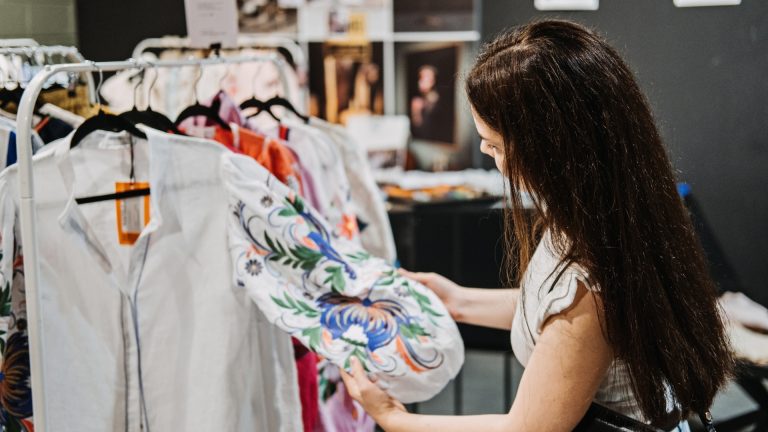
Shopping secondhand is an excellent way to experiment without a major financial commitment. Thrift stores, consignment shops, and online resale platforms allow you to try new styles, colors, and silhouettes at a fraction of the cost of buying new. If you fall in love with a particular secondhand piece, it might inspire you to invest in a higher-quality version of it in the future.
Do not be afraid to take style cues from people you admire, but always add your own twist. If you love the way someone else dresses, identify the specific elements you are drawn to and find ways to incorporate those elements into your own wardrobe in a way that feels authentic to you rather than like a direct copy.
Shop Intentionally Going Forward
Finding your personal style is not just about what is already in your closet. It is also about changing the way you approach shopping so that every new purchase brings you closer to the wardrobe you truly want rather than adding more clutter.
Before making any new purchase, return to your style keywords and ask yourself whether the item genuinely fits your aesthetic, your lifestyle, and your existing wardrobe. Ask yourself whether you can imagine at least three different outfits you would wear with this piece. Consider whether you are buying it because you truly love it or because it is on sale, or because you feel pressure to keep up with a trend.
Avoiding impulse purchases is one of the biggest ways to protect your personal style. The fashion industry is designed to make you feel like you constantly need something new, but a well-curated personal style is built on intention rather than volume. Owning fewer items that you genuinely love will always feel better than owning a closet full of things that do not quite feel like you.
It is also worth considering the ethics and sustainability of how you shop. Many people find that becoming more intentional about their personal style naturally leads them toward more sustainable shopping habits, choosing quality over quantity, buying secondhand when possible, and supporting brands that align with their values.
Revisit and Evolve Your Style Over Time
Your personal style is not a fixed destination. It is a living, evolving expression of who you are, and it will naturally change as you grow and as your life circumstances shift. What felt right for you at twenty-five may not feel right at thirty-five, and that is not a failure. It is simply growth.
Make it a habit to revisit your wardrobe seasonally, at least twice a year, to assess what is still working and what is no longer serving you. As your style matures, you may find that certain pieces no longer feel authentic, or that your style keywords have shifted to reflect new priorities or influences in your life.
Pay attention to how you feel in your clothes on a daily basis. If you consistently feel uncomfortable, underdressed, or like something is off, that is a signal worth investigating. Style should ultimately make you feel like the best version of yourself, and if it is not doing that, it is worth reassessing and adjusting.
Give yourself permission to evolve. Some of the most stylish people in the world are those who have gone through multiple style evolutions and are not afraid to continue changing. Your style is not meant to be a museum exhibit of who you once were. It is a living reflection of who you are right now and who you are becoming.
Conclusion
Finding your personal style is a process that takes time, curiosity, and a willingness to pay attention to yourself. It is not about having the most clothes, the most expensive pieces, or the most perfectly curated Instagram feed. It is about knowing yourself well enough to make choices that feel authentic, and having the confidence to wear those choices with conviction.
By auditing your wardrobe, gathering inspiration, defining your style keywords, understanding your body and lifestyle, building a capsule wardrobe, experimenting boldly, and shopping with intention, you can move from wardrobe confusion to genuine style clarity. The process is deeply personal, and the result is a wardrobe that feels less like a collection of clothes and more like a true reflection of who you are.
Start small, be patient with yourself, and enjoy the journey. Your personal style is already somewhere inside you. These steps simply help you uncover it.