How to Choose the Right Jewelry for Every Outfit: A Step-by-Step Guide
Introduction
Jewelry has the power to transform an outfit entirely. The right piece adds personality, polish, and that final layer of intention that separates a great look from a forgettable one. But choosing the right jewelry for the right outfit is a skill, and like any skill, it becomes second nature once you understand the principles behind it.
Whether you are dressing for the office, a date night, a casual weekend, or a formal event, this step-by-step guide will help you make confident, intentional jewelry choices every single time.
Step 1: Start With Your Neckline
Your neckline is the single most important factor in choosing the right necklace. When your necklace and neckline work together, the result is a harmonious, polished look. When they clash, the outfit feels unfinished or visually cluttered.
V-neckline calls for a pendant necklace or a Y-chain that follows the natural V-shape of the top. This creates a clean, elongating line that draws the eye beautifully downward.
Crew or round neckline works best with a longer chain or a layered necklace that sits below the neckline and adds interest without competing with the fabric.
Boat or off-the-shoulder neckline is best left without a necklace entirely. The wide, open neckline is already a strong visual statement. Let it breathe and focus on earrings or a bracelet instead.
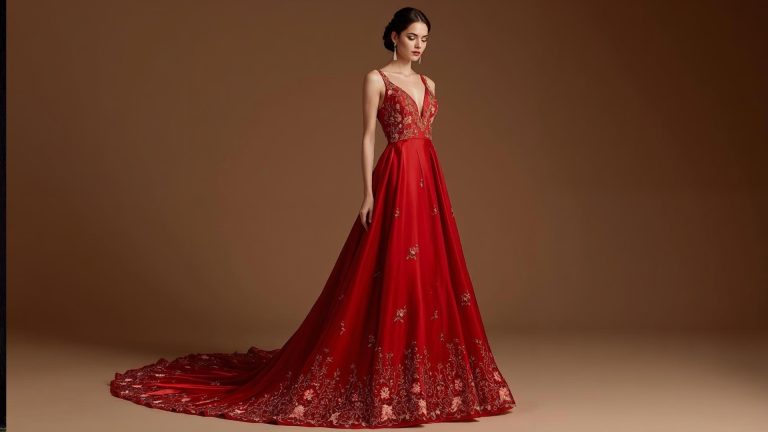
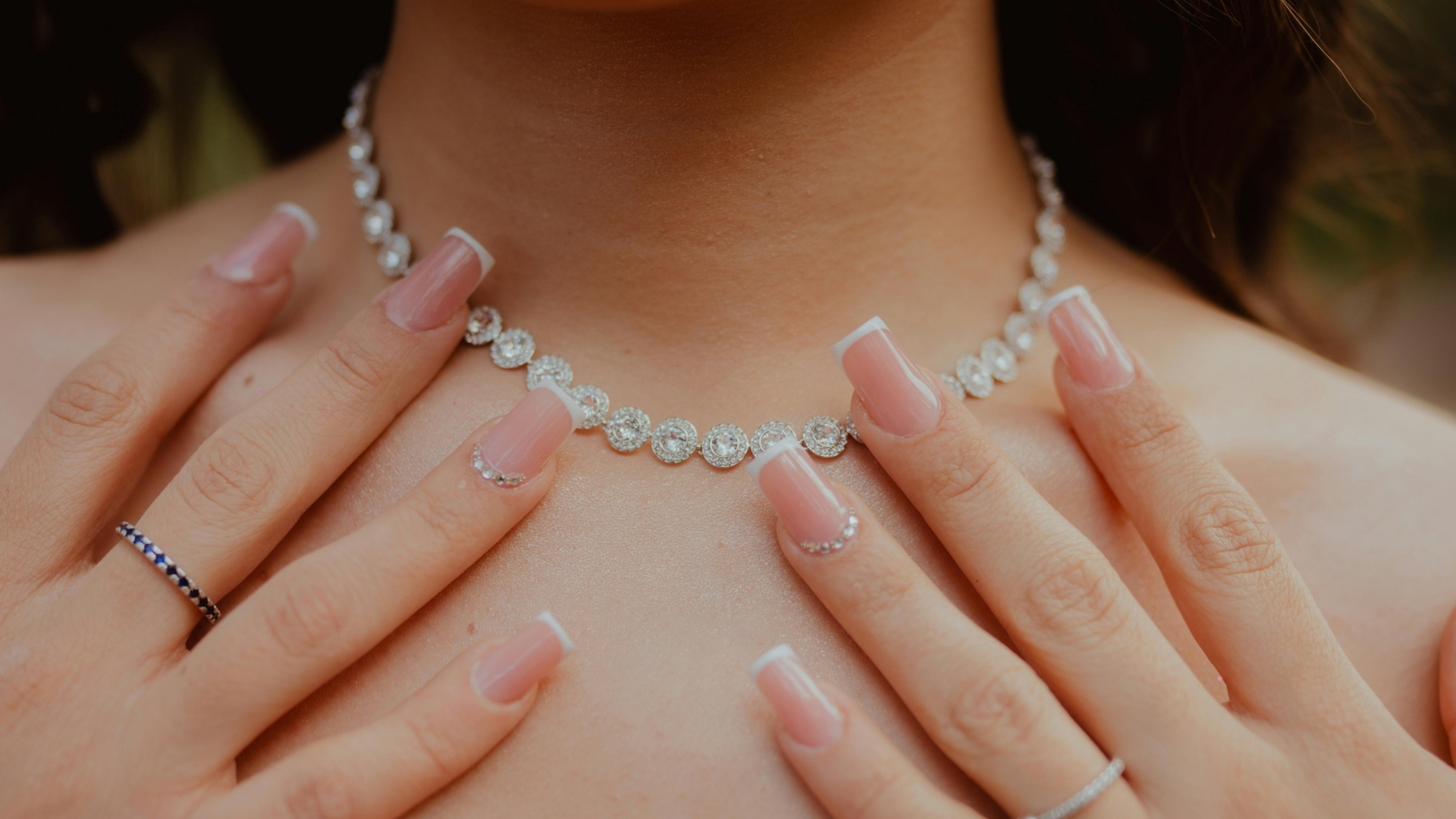
Strapless or sweetheart neckline pairs perfectly with a statement necklace or a delicate choker that frames the décolletage and draws attention to the collarbone.
Turtleneck eliminates the option of a necklace entirely due to the high coverage. This is the moment to invest in great earrings and stack bold rings instead.
Collared or button-down shirt works beautifully with a layered necklace worn inside the collar or a short pendant that sits neatly at the base of the throat.
Once you identify your neckline, your necklace choice becomes clear immediately. This single rule alone will eliminate the majority of jewelry dilemmas you face when getting dressed.
Step 2: Match the Occasion
The occasion you are dressing for should always guide the scale and formality of your jewelry choices. Wearing the wrong jewelry for the setting makes even the most beautiful pieces feel out of place.
Casual daytime outings call for simple, effortless jewelry. Delicate gold hoops, a thin chain necklace, a few stacked rings, or a minimal bracelet all feel appropriate and intentional without being overdressed.
Professional or office settings suit refined, understated jewelry. Small stud earrings, a classic watch, a simple pendant, or a thin bangle communicate polish without distraction. Avoid very large or jangly pieces that draw attention away from the professional context.
Evening events and dinners are the moment for bolder, more glamorous choices. Statement earrings, a chunky cuff, a layered necklace, or a striking cocktail ring all feel entirely at home in an evening setting and elevate formal outfits significantly.
Formal occasions and black-tie events call for your most elegant pieces. Fine jewelry in gold or silver with stones, classic pearls, or carefully chosen statement pieces in a refined style are all appropriate. The key is elegance over excess.
Casual weekends and relaxed settings give you the most freedom. This is the time to experiment, stack, layer, and play with pieces that might feel too bold or too casual for more formal contexts.
Step 3: Consider the Color of Your Outfit
The color of your clothing should inform your choice of metal and stone color. Getting this relationship right creates a look that feels cohesive and considered rather than randomly assembled.
Warm-toned outfits in colors like red, orange, yellow, brown, olive, and cream pair beautifully with gold jewelry. Gold echoes and enhances the warmth of these tones and creates a naturally harmonious combination.
Cool-toned outfits in colors like blue, grey, green, purple, and white are complemented by silver, white gold, or platinum jewelry. The cool, crisp quality of silver harmonizes with cooler color palettes in the same way gold works with warm ones.
Black outfits are wonderfully versatile and work beautifully with both gold and silver jewelry. Gold adds warmth and richness to an all-black look, while silver adds a sleek, modern edge. Choose based on the mood you want to create.
Neutral outfits in beige, camel, and white are equally flexible. Gold tends to feel more luxurious and elevated with neutrals, while silver creates a cooler, more minimalist aesthetic.
Bold or printed outfits are best accessorized with simple, minimal jewelry in a single metal tone. A busy print or a strong color already provides all the visual interest the outfit needs. Adding bold jewelry on top creates visual noise rather than visual harmony.
Step 4: Balance the Weight of Your Outfit
Every outfit has a visual weight, and your jewelry should balance that weight rather than add to it unnecessarily or disappear against it.
A heavy, structured outfit like a tailored suit, a thick knitwear look, or a maximalist layered ensemble needs bold, substantial jewelry to hold its own visually. Delicate, tiny jewelry will simply disappear against a strong, weighty look.
A light, delicate outfit like a flowy silk dress, a simple slip, or a minimal linen combination is beautifully served by fine, delicate jewelry that matches its lightness. Heavy statement pieces can overwhelm a delicate look and throw the balance of the whole outfit off.
A casual, simple outfit like jeans and a white tee exists beautifully at the midpoint and can carry either direction. This is the outfit that benefits most from a single statement jewelry piece that elevates the simplicity of everything else.
Step 5: Choose Either Earrings or a Necklace as Your Hero Piece
One of the most reliable rules in jewelry styling is to choose one hero piece per outfit and let everything else support it. Wearing a statement necklace and statement earrings simultaneously is one of the most common jewelry mistakes and almost always results in a look that feels overdone and visually chaotic.
If you choose statement earrings, keep your necklace minimal or skip it entirely. A pair of dramatic chandelier earrings, oversized hoops, or sculptural geometric drops is already doing significant work. A simple stud or a thin chain is all the additional jewelry the look needs.
If you choose a statement necklace, opt for small, simple earrings. Studs, small hoops, or delicate drops allow the necklace to take center stage without competition. The eye should be able to follow one clear focal point without being pulled in multiple directions simultaneously.
This rule applies specifically when one or more pieces are bold, large, or visually strong. Delicate, layered, or minimal jewelry can coexist harmoniously without competing.
Step 6: Know Your Face Shape for Earring Choices
The shape of your face plays an important role in which earring styles are most flattering. Understanding this can make a significant difference to how your earrings look when worn.
Oval face shapes are the most versatile and can wear virtually any earring style beautifully, from small studs to dramatic drops and everything in between.
Round face shapes are most flattered by elongated, drop, or dangle earrings that create a vertical line and visually lengthen the face. Avoid circular or very wide earrings that echo the roundness of the face.
Square face shapes benefit from curved, rounded, or hoop earrings that soften the angular quality of a strong jawline. Avoid very geometric or angular earring shapes that emphasize rather than soften the jaw.
Heart face shapes look beautiful with earrings that are wider at the bottom than the top, such as teardrop or chandelier styles, which visually balance a wider forehead with a narrower chin.
Long or oblong face shapes are complemented by wider, more horizontal earring shapes like button earrings, wide hoops, and cluster styles that add width to the face rather than length.
Step 7: Stack and Layer Intentionally
Stacking rings and layering necklaces add incredible depth and personality to an outfit when done with intention.
When layering necklaces, vary the length of each chain so that all pieces are visible simultaneously. A choker, a mid-length pendant, and a longer chain create a beautiful three-layer effect. Keep the metals consistent, either all gold or all silver, for a cohesive result.
When stacking rings, mix widths and textures for visual interest. Combine a thin plain band with a slightly thicker textured one and a delicate stone ring for a collected, personal look. Spread rings across multiple fingers rather than stacking everything on one finger for a more balanced result.
When stacking bracelets, mix different types. Combine a delicate chain bracelet with a beaded bracelet and a wider cuff for a layered look that feels eclectic without being chaotic.
The golden rule of layering is to maintain coherence within the freedom. Choose a consistent metal tone, a general aesthetic direction, or a color story that ties the individual pieces together into a unified look.
Step 8: Consider Your Skin Tone
Your skin tone influences which metal colors look most flattering against your complexion and is worth considering when building your jewelry collection.
Warm skin tones with golden, peachy, or olive undertones are most beautifully complemented by yellow gold, rose gold, and copper jewelry. These warm metals echo the natural warmth in the skin and create a harmonious, glowing effect.
Cool skin tones with pink, red, or bluish undertones look most striking against silver, white gold, and platinum. The cool, clean quality of these metals harmonizes with the natural coolness of the complexion.
Neutral skin tones have the most flexibility and can wear both warm and cool metals with equal success. When your undertone is neutral, let your outfit color and personal preference guide your metal choice.
These are guidelines rather than rigid rules. Personal preference should always be the deciding factor, and many women find that wearing a contrasting metal creates a striking and interesting effect.
Step 9: Let the Season Inspire You
Just as your wardrobe shifts with the seasons, your jewelry choices can shift too. Leaning into seasonal aesthetics makes your overall look feel more cohesive and intentional throughout the year.
Spring is perfect for delicate floral-inspired jewelry, pastel-toned stones, fine gold chains, and feminine pearl details that complement fresh colors and flowing fabrics.
Summer calls for bold, colorful, and playful jewelry. Beaded necklaces, resin pieces in vivid colors, shell details, and chunky gold pieces all feel perfectly at home against bright summer outfits.
Autumn suits rich, warm jewelry. Gold tones, amber and tortoiseshell details, chunky chains, and earthy stone colors like garnet, topaz, and citrine all align naturally with the warm, textural palette of autumn dressing.
Winter is the season for glamour. Deep jewel-toned stones, silver and crystal combinations, statement cuffs, and layered gold chains against dark, rich winter clothing create a beautifully opulent seasonal aesthetic.
Step 10: Trust Your Instincts and Make It Personal
Rules are a foundation, not a ceiling. The most stylish women understand the principles of jewelry dressing well enough to know exactly when and how to break them. A rule-breaking jewelry choice, worn with complete conviction, is often the most memorable part of an entire outfit.
Build a jewelry collection that reflects who you are rather than what the trends dictate. Mix expensive pieces with inexpensive ones, inherited pieces with new finds, and bold pieces with delicate ones. The most interesting jewelry collections are always the most eclectic and personal.
Pay attention to the pieces that consistently make you feel most confident and most like yourself. Those are the pieces that belong at the center of your collection and will guide your choices most reliably over time.
Jewelry is ultimately one of the most personal forms of self-expression available. Wear what makes you feel alive, wear it with confidence, and never underestimate the power of the right piece at the right moment.
Quick Reference: Jewelry Pairing Cheat Sheet
V-neck pairs with a pendant or Y-chain necklace. Crew neck pairs with a longer chain or layered necklace. Turtleneck pairs with bold earrings and stacked rings. Strapless pairs with a statement necklace or choker. Off-the-shoulder pairs with statement earrings only.
Warm outfit tones pair with yellow gold or rose gold. Cool outfit tones pair with silver or white gold. Bold prints pair with minimal, single-tone jewelry. Simple outfits pair with one statement piece. Formal occasions call for elegant, refined fine jewelry.
Statement earrings need simple or no necklace. Statement necklace needs simple stud or small hoop earrings. Layered necklaces need varied lengths in consistent metal tones. Stacked rings need varied widths spread across multiple fingers.
Conclusion
Choosing the right jewelry for every outfit is not about following every rule perfectly. It is about understanding the principles well enough to make confident, intentional choices that feel authentically like you.
Start with your neckline, consider the occasion, balance the visual weight, and always let one piece be the hero of the look. Over time these steps will become second nature, and what once felt like a complicated decision will become one of the most enjoyable parts of getting dressed every day.
The right piece of jewelry does not just complete an outfit. It completes the story you are telling with everything you wear.