Hair Care Routine for Stronger, Shinier Hair: 10 Expert Secrets That Truly Work
Why Your Hair Deserves a Proper Routine
Healthy hair isn’t just about looks. It reflects overall care, nutrition, and daily habits. Many people struggle with dryness, frizz, breakage, or hair fall. The good news? A consistent hair care routine for stronger, shinier hair can completely transform your strands over time.
You don’t need a bathroom shelf packed with expensive products. What you truly need is the right knowledge. Once you understand how hair works and what damages it, you can build a routine that supports growth, shine, and strength.
Let’s break it down step by step.
Understanding Your Hair Type and Texture
Before choosing shampoos or treatments, you must identify your hair type. Using the wrong products can make hair dull or heavy.
Straight hair tends to get oily faster because natural oils travel easily from scalp to ends. Wavy hair needs lightweight hydration to avoid frizz. Curly hair requires deep moisture since curls naturally lose hydration faster. Coily hair is the most delicate and benefits from rich creams and protective styles.
Texture matters too. Fine hair needs volumizing formulas. Thick hair may need heavier conditioners. Knowing this helps you avoid unnecessary damage and product buildup.
Step 1: Cleanse Your Scalp, Not Just Your Hair
Many people focus only on washing their hair strands. But healthy hair begins at the scalp.
Shampoo is meant to clean the scalp by removing oil, sweat, and product residue. Massage gently with your fingertips for 2–3 minutes. This increases blood circulation and supports hair growth.
Avoid hot water. It strips natural oils and causes dryness. Lukewarm water is ideal.
If you use styling products often, consider clarifying shampoo once a month to remove buildup. A clean scalp creates the perfect environment for stronger hair.
Step 2: Condition Properly for Moisture and Strength
Conditioner restores moisture after shampooing. Apply it mainly to the mid-length and ends, not directly to the scalp unless specified.
Leave it on for at least 2–3 minutes. This allows ingredients to penetrate the hair shaft. Rinse with cool water to help seal the cuticle, which boosts shine.
Deep conditioning once a week can repair dryness and prevent breakage. This is especially important for chemically treated or heat-styled hair.
Step 3: Limit Heat Styling Damage
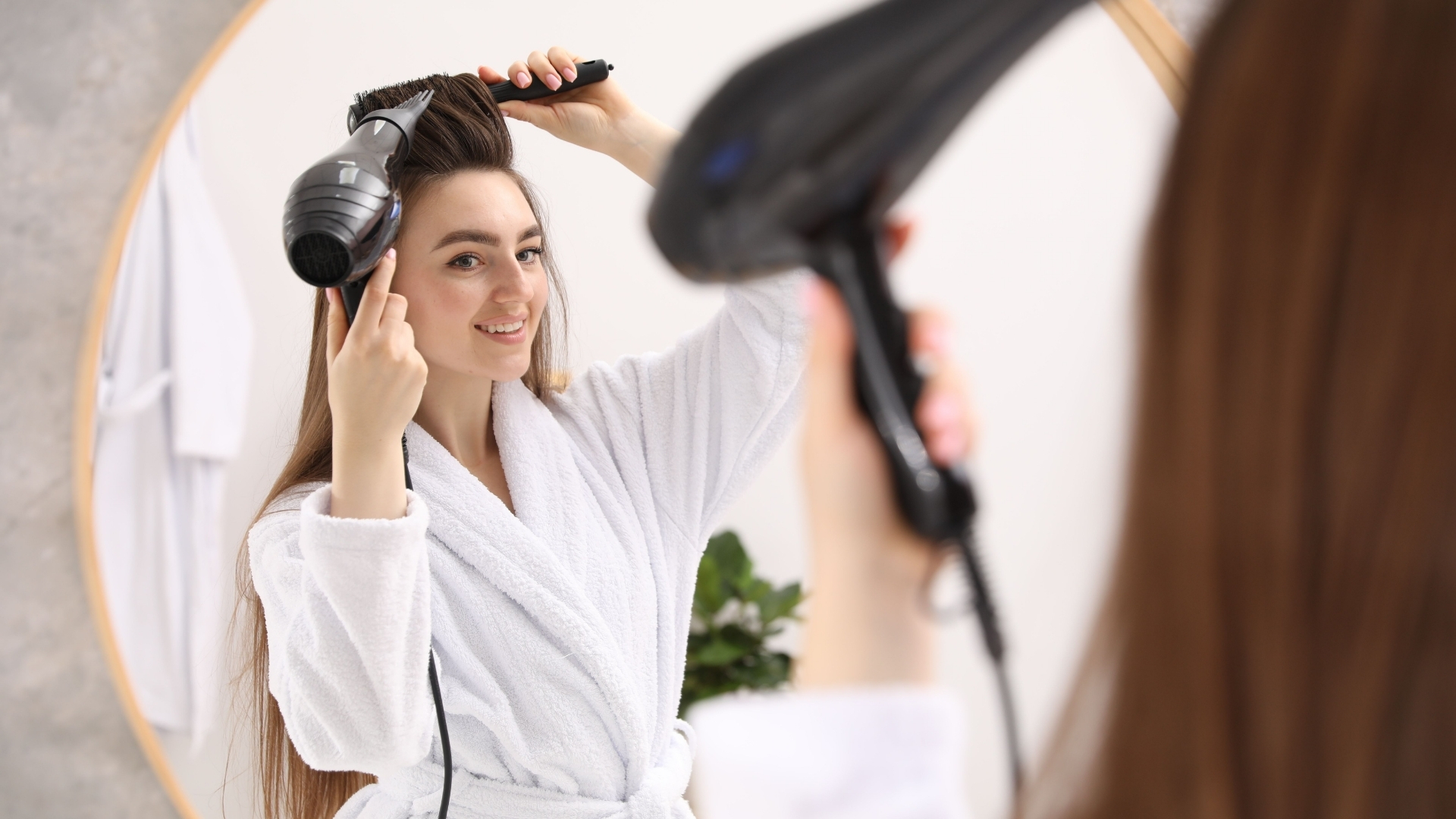
Frequent heat styling weakens hair proteins and causes split ends. Blow dryers, straighteners, and curling irons should be used carefully.
If you must use heat tools, apply a heat protectant spray first. Keep the temperature moderate, not maximum. Air-drying whenever possible reduces stress on your strands.
Even simple changes, like lowering the heat setting, can protect your hair long-term.
Step 4: Trim Regularly to Prevent Split Ends
Split ends travel upward if not trimmed. Regular trims every 8–12 weeks help maintain healthy-looking hair.
Trimming doesn’t make hair grow faster. Hair grows from the roots. But removing damaged ends prevents breakage and keeps your hair looking fuller and stronger.
Step 5: Nourish From Within
Healthy hair depends on internal nutrition. Protein, iron, and vitamins play a major role in hair growth.
Eggs, nuts, leafy greens, and fish provide essential nutrients. Drinking enough water supports scalp hydration.
For reliable health guidance, you can explore trusted organizations like the World Health Organization, which offers information about balanced nutrition and wellness.
When your body is nourished, your hair reflects that care.
Step 6: Use Natural Oils for Extra Shine
Natural oils can strengthen and protect hair when used correctly.
Coconut oil helps reduce protein loss. Argan oil adds shine and reduces frizz. Castor oil is often used to support hair thickness.
Warm a small amount and gently massage it into your scalp once a week. Leave it on for 30–60 minutes before washing. Avoid applying too much, as excess oil can be difficult to remove.
Oiling improves blood circulation and supports overall scalp health.
Step 7: Protect Your Hair While Sleeping
Nighttime friction can cause breakage. Cotton pillowcases absorb moisture and create friction.
Switching to a silk or satin pillowcase reduces hair damage. You can also loosely braid long hair before bed to prevent tangling.
These small changes make a noticeable difference over time.
Step 8: Avoid Overwashing
Washing hair too frequently strips natural oils. Most people only need to wash their hair 2–3 times per week, depending on scalp type.
If your scalp gets oily quickly, use dry shampoo between washes. This absorbs excess oil without damaging strands.
Balancing cleanliness with moisture is key to a strong hair care routine for stronger, shinier hair.
Step 9: Manage Stress and Sleep Well
Stress can lead to hair thinning and increased shedding. Poor sleep disrupts hormone balance, which affects hair growth cycles.
Aim for 7–9 hours of sleep per night. Gentle exercise, meditation, or journaling can reduce stress levels.
Healthy habits support not only your mind but also your scalp and hair follicles.
Step 10: Choose Products Wisely
Avoid products with harsh sulfates and excessive alcohol. These ingredients can dry out your scalp and weaken strands.
Look for products labeled “sulfate-free” and “paraben-free” if your hair is sensitive or color-treated.
Simple ingredient lists are often better. Focus on quality rather than quantity.
Common Hair Care Mistakes to Avoid
- Brushing wet hair aggressively
- Tying hair too tightly
- Ignoring scalp health
- Using too many styling products
- Skipping heat protection
Gentle care always leads to stronger results.
Frequently Asked Questions
1. How long does it take to see stronger hair?
With consistent care, improvements appear within 4–8 weeks.
2. Does cutting hair make it grow faster?
No. Hair growth happens at the roots, but trimming prevents breakage.
3. Can oiling cause hair fall?
Excessive oiling or rough massage may increase shedding. Gentle application is best.
4. Is daily shampooing harmful?
For most hair types, daily shampooing can cause dryness. 2–3 times weekly is usually enough.
5. What’s the main cause of dull hair?
Product buildup, dehydration, and heat damage are common causes.
6. Can diet really improve hair shine?
Yes. Proper nutrition supports stronger hair structure and growth.
Stronger Hair Starts With Smarter Habits
Beautiful, shiny hair isn’t achieved overnight. It requires patience, consistency, and the right approach. A well-planned hair care routine for stronger, shinier hair focuses on scalp health, hydration, protection, and nourishment.
Start with small changes. Massage your scalp. Reduce heat. Eat better. Sleep well.
Over time, your hair will become stronger, smoother, and naturally radiant. Healthy hair isn’t just about style, it’s about care.